Why Choose Decking Screws from Fixabolt
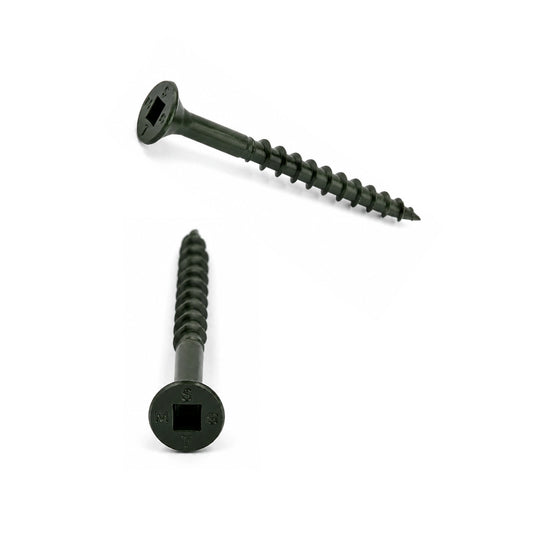
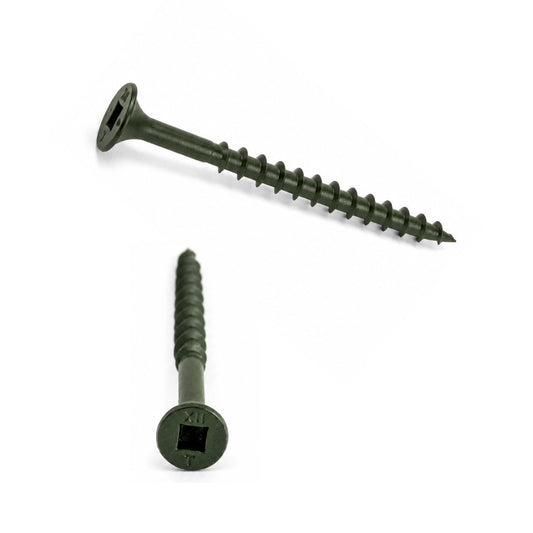
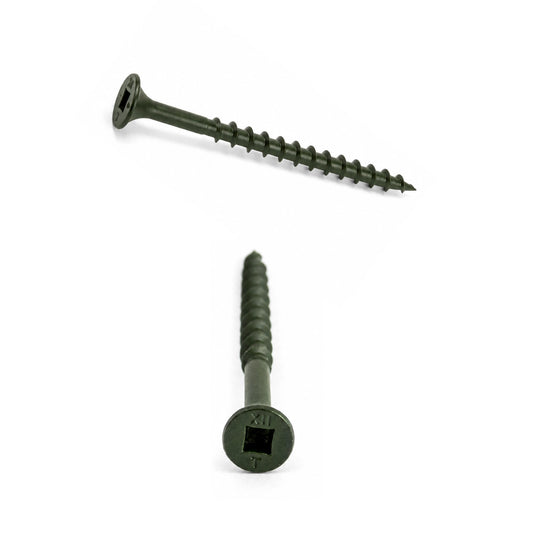
Standard decking screws are purpose-made for fixing deck boards, rather than for joining large structural timbers. Their countersunk head allows the screw to sit neatly in the board, while the threaded section provides a secure hold in the timber beneath.
Fixabolt supplies decking screws suitable for garden decking and similar external timber projects, with different materials and finishes available to suit the installation.
How to Choose the Right Decking Screw
Begin by considering the environment. Stainless steel decking screws may be the more suitable option for exposed locations or projects where improved corrosion resistance is required. Coated steel decking screws can provide a cost-effective choice for general garden decking, provided the coating is suitable for the intended conditions.
You should also consider the type and thickness of the decking board. Dense timber and hardwood boards may require pilot holes to reduce the risk of splitting and make installation easier.
Choose a length that passes securely through the deck board and provides adequate purchase in the supporting joist. The screw should hold the board firmly without being driven excessively below the timber surface.
The screws in this collection use countersunk heads and square drive recesses, helping installers drive them neatly and consistently during repeat decking work.
Trade Supply and Support
Fixabolt supplies decking screws for trade users working on timber decking, fencing, landscaping and external timber construction. Products are supplied in trade boxes, making them suitable for repeat installation work on site.
If you can't find what you're looking for, get in touch with a human team member on the Live Chat.